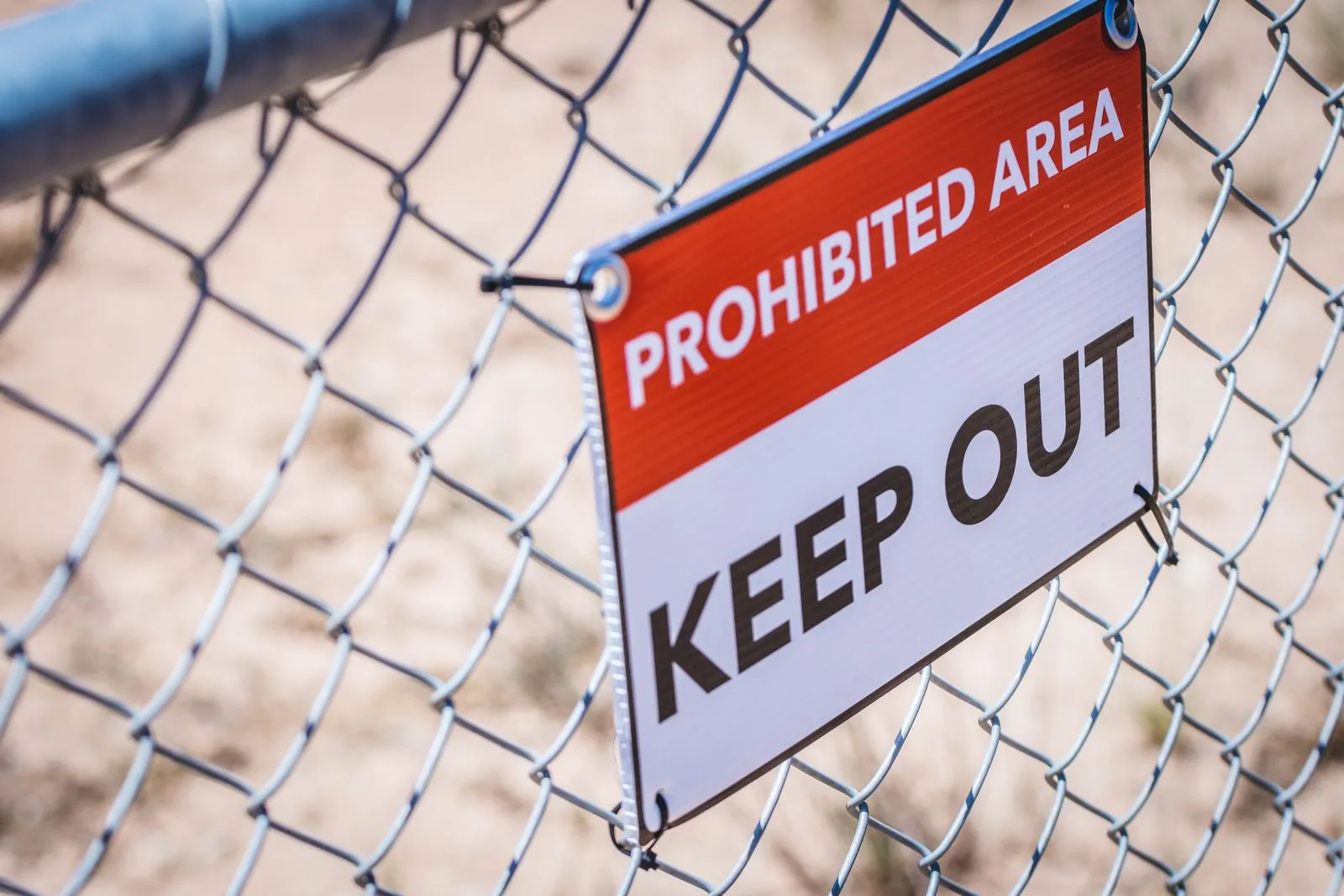
Choosing perimeter detection starts with understanding what needs protection and how people or vehicles move around the property. A system that works well for a compact lot may not suit a long fence line, uneven terrain, or a site with frequent authorized traffic. Before comparing equipment, map the property, identify likely points of approach, and decide what should happen when the system detects activity. These details help narrow your options and avoid gaps, nuisance alerts, or a system that is difficult to manage.
Map the Property and Its Risks
Walk the perimeter and note fences, walls, gates, building edges, slopes, vegetation, and nearby public areas. Mark entrances used by staff, visitors, and deliveries, along with locations that are difficult to see from occupied areas. A site plan helps installers assess where sensors can be mounted and where obstacles could affect coverage.
Consider how an intruder might approach, not only where the boundary runs. A narrow side passage, a loading area, or a low section of fence may need closer attention than a visible, well-lit stretch. Also identify areas where detection is not appropriate, such as a neighboring walkway or a space used by authorized personnel.
Compare Detection Zones
Different technologies monitor different kinds of activity and distances. Some are suited to fence lines, while others cover open ground, gates, or building approaches. Ask how each option defines its detection zone, what activity it can distinguish, and whether it can identify the location of an alert accurately enough for your response plan.
Break the property into practical zones, such as the main entrance, vehicle gate, storage area, and less visible boundary sections. Decide whether alerts should be handled differently in each zone. Layering detection can help cover complex areas, but each added sensor also requires clear settings, maintenance, and ownership for alert review.
Account for Local Conditions
Environmental conditions can affect detection and the number of unwanted alerts. Review exposure to wind, rain, snow, standing water, temperature changes, dust, and moving vegetation. Nearby roads, machinery, animals, and routine vehicle traffic may also create activity that a sensor could interpret as a concern.
Ask installers to explain how equipment performs in the specific conditions on your site, including seasonal changes. Confirm mounting requirements, power and network needs, and how the system handles temporary obstructions. A site assessment should identify likely sources of interference and explain how placement, configuration, or a different technology can address them.
Plan the Response Before Buying
Detection is useful only when someone can assess and respond to an alert. Decide who receives notifications, who verifies activity, and what steps follow during business hours and after hours. Consider whether alerts should connect to cameras, an alarm panel, a monitoring service, or an existing security platform.
Compare systems by their alert details, integration options, user access, and ability to distinguish zones. Ask what happens if power or network service fails and how the system signals a fault. Include training, routine testing, maintenance, and future expansion in your evaluation so the chosen setup remains manageable after installation.
The right perimeter detection system matches the property’s layout, monitors meaningful zones, accounts for local conditions, and supports a response your team can carry out. Use a site plan and a written alert procedure to compare options consistently. For a property-specific assessment, contact Bluegrass Perimeter to discuss your perimeter and detection priorities.